How to Identify Profit Leaks in Your Business
Profit leaks are like slow drips in a bucket, you might not notice them at first, but over time, they …


Profit leaks are like slow drips in a bucket, you might not notice them at first, but over time, they can drain your business dry.
Many businesses lose money quietly without realizing it. Small oversights, untracked expenses, and inefficient processes can all quietly eat into profits.
The good news? You can spot profit leaks early and fix them before they become serious problems. This guide shows you how.
Why Profit Leaks Happen
Profit leaks usually occur due to small, repeated issues that add up over time. Common causes include:
-
Untracked or miscategorized expenses
-
Inefficient processes that waste time or resources
-
Poor pricing or discounting strategies
-
Inventory losses, theft, or waste
-
Overlooked refunds, chargebacks, or uncollected payments
Even profitable businesses can have hidden leaks, which is why regular monitoring is essential.
Suggested read: What to Do When Clients Pay Late: Cash Flow Strategies for SMEs and Freelancers
A Short Story: The Hidden Cost of Small Leaks
Chinedu runs a small logistics company. His business was growing steadily, but profits didn’t match his expectations.
After a detailed review, he realized multiple small leaks:
-
Drivers were using more fuel than recorded
-
Minor supply purchases weren’t logged in the system
-
Several clients received untracked discounts
Individually, these losses seemed minor. But together, they sapped thousands from his monthly profits.
Once Chinedu implemented stricter tracking and regular financial reviews, these leaks disappeared, and profits improved without increasing revenue.
How to Identify Profit Leaks in Your Business
1. Review Financial Reports Regularly
-
Monitor income statements, balance sheets, and cash flow reports
-
Compare current numbers to previous months
-
Highlight unusual changes in revenue or expenses
Tip: Look for recurring small expenses that don’t contribute to profit.
Suggested read: The “Agency” Dilemma: Managing Project-Based Finances vs. Recurring Revenue

2. Track Expenses Closely
-
Record every expense immediately
-
Categorize transactions accurately
-
Compare actual expenses to budgets or forecasts
Even minor untracked costs can add up over time.
3. Audit Your Pricing and Discounts
-
Check if products or services are priced too low
-
Evaluate the impact of discounts and promotions
-
Make sure prices cover costs and desired profit margins
Pricing leaks are often overlooked but can drain profits silently.

4. Review Operational Efficiency
-
Identify processes that waste time, money, or resources
-
Reduce redundancies and unnecessary steps
-
Automate where possible
Efficiency improvements often uncover hidden profit leaks.
Suggested read: Business vs. Pleasure: The Danger of Commingling Funds
5. Monitor Inventory and Cash Flow
-
Track inventory shrinkage, theft, or waste
-
Watch cash inflows and outflows carefully
-
Investigate discrepancies immediately
Inventory and cash leaks are common in small and growing businesses.
Common Profit Leak Mistakes to Avoid
-
Ignoring small recurring expenses
-
Failing to reconcile accounts regularly
-
Overlooking employee or operational inefficiencies
-
Not reviewing pricing structures
-
Relying solely on revenue growth as a measure of profit
How Tools Help Spot Profit Leaks
Modern financial tools like Zaccheus help business owners:
Suggested read: Valuation 101: How Clean Books Increase Your Company’s Worth
-
Track revenue, expenses, and cash flow in real-time
-
Flag inconsistencies or unusual transactions
-
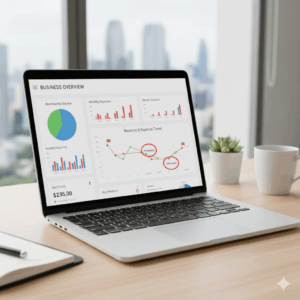
Provide dashboards highlighting potential profit leaks
-
Offer actionable insights for decision-making
With structured visibility, profit leaks can be caught early and fixed efficiently.
Best Practices Summary
To prevent profit leaks from hurting your business:
-
Review financial reports regularly
-
Track every expense and categorize them accurately
-
Audit pricing and discount strategies
-
Monitor operations for inefficiencies
-
Track inventory and cash carefully
-
Use digital tools to detect anomalies
Stopping profit leaks is about consistency, attention to detail, and proactive monitoring.
Suggested read: How to Create a Solid Exit Strategy for Your Business
Frequently Asked Questions (FAQ)
What is a profit leak?
A profit leak is any untracked loss or inefficiency that reduces your business profits, often unnoticed until it becomes significant.
How do I know if my business has profit leaks?
Look for discrepancies between expected and actual profits, recurring small expenses, operational inefficiencies, or declining cash flow despite stable revenue.
Can small businesses have profit leaks?
Yes. Small or large, any business can have profit leaks. Small leaks are often easier to miss, making them even more dangerous.
How often should I review for profit leaks?
Monthly reviews are ideal. For fast-growing businesses, weekly reviews may help catch issues sooner.
Suggested read: Real-Time Dashboards: Why Waiting for “End of Month” Reports Is Too Late
Can profit leaks be fixed without increasing revenue?
Absolutely. Many profit leaks are internal inefficiencies. Fixing them improves profits without needing additional sales.
Conclusion & Call to Action
Profit leaks can silently drain your business, even when revenue looks healthy.
By reviewing reports, tracking expenses, auditing pricing, monitoring operations, and using modern tools, you can stop leaks early and protect your profits.
Zaccheus helps business owners spot profit leaks, track finances, and make data-driven decisions so every dollar works for your business.
Start identifying and fixing profit leaks today with Zaccheus and keep your business profitable and sustainable.