Capital Gains Tax in Nigeria: Why Investors Are Recalculating Returns
Capital gains tax in Nigeria is no longer a footnote investors skim past. It is now central to how returns …


Capital gains tax in Nigeria is no longer a footnote investors skim past.
It is now central to how returns are calculated, negotiated, and defended.
For years, many Nigerian investors focused on entry price, growth, and exit multiples. Tax came later, often as an afterthought. That mindset is changing fast.
As enforcement tightens and digital audit trails improve, investors are recalculating what they actually take home after exits. Founders who understand this shift gain leverage. Those who ignore it risk surprises at the finish line.
This article explains why capital gains tax matters more now, how it affects Nigerian returns, and what founders and investors must rethink.
What Is Capital Gains Tax in Nigeria?
Capital gains tax is charged on profits made from disposing of certain assets.
In simple terms:
- Buy an asset
- Sell it at a higher value
- Pay tax on the gain
Assets commonly affected include shares, land, buildings, and business interests.
What has changed is not the existence of the tax, but how closely it is now monitored and enforced.
Suggested read: Small Company Tax Exemption: Is Your Business Really Tax-Free at ₦25m or ₦50m?
Why Investors Are Paying Attention Now
Three major shifts are driving this renewed focus.
Stronger Enforcement
Nigeria’s tax system is now more connected. Share transfers, company filings, and bank records increasingly align.
This makes underreporting gains riskier than before.
Better Exit Visibility
Exits are no longer private conversations. Mergers, acquisitions, and secondary sales leave digital footprints.
Capital gains that once went unnoticed now surface easily.
Tighter Return Expectations
Investors are under pressure to justify returns.
When capital gains tax reduces net outcomes, the original math no longer holds.
This is why capital gains tax in Nigeria is now part of early-stage conversations.
How Capital Gains Tax Affects Startup Exits
For startups, the impact is subtle but powerful.
A founder may negotiate a strong headline valuation, only for investors to realize later that taxes significantly reduce actual returns.
Suggested read: The 2025 Finance Act: 5 Clauses That Will Change How You Do Business
This affects:
- Exit timing
- Share sale structures
- Preference for certain deal types
Smart investors now ask about tax exposure before signing term sheets.

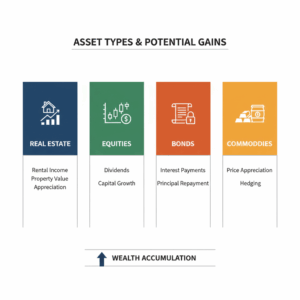
Assets Commonly Affected by Capital Gains Tax
Shares and Equity Stakes
Selling company shares, whether in startups or established firms, often triggers capital gains tax.
Angel investors and early employees are especially affected.
Real Estate and Property
Property appreciation remains one of the most visible areas for capital gains tax enforcement.
Documentation quality matters here.
Business Sales and Restructuring
Selling a business or restructuring ownership can create taxable gains, even without obvious cash payouts.
This surprises many founders.
What Founders and Investors Should Do Differently
Plan for Tax at Entry, Not Exit
Tax should influence how deals are structured from day one.
Waiting until exit reduces options.
Suggested read: The “Agency” Dilemma: Managing Project-Based Finances vs. Recurring Revenue
Keep Clean Valuation Records
Clear documentation of acquisition cost, improvements, and valuations protects against disputes.
Under capital gains tax in Nigeria, missing records weaken your position.
Avoid Informal Transfers
Handshake deals and undocumented share transfers create problems later.
They rarely survive audits.

Use Financial Tools That Model Tax Outcomes
Sophisticated investors now model net returns, not gross exits.
This is why tools like Zaccheus, an AI CFO for founders and investors, are becoming critical. They help model tax exposure, track equity events, and avoid unpleasant surprises at exit.

Frequently Asked Questions
What triggers capital gains tax in Nigeria?
Selling or transferring an asset at a profit usually triggers capital gains tax.
Does capital gains tax apply to startup shares?
Yes. Selling shares in a startup can attract capital gains tax.
Can investors reduce capital gains tax legally?
Yes, through proper structuring, documentation, and timing.
Is capital gains tax enforced more strictly now?
Yes. Improved data tracking has increased enforcement.
Suggested read: Business vs. Pleasure: The Danger of Commingling Funds
Do founders also pay capital gains tax?
Founders may owe capital gains tax when selling equity or assets.
Conclusion: Gross Returns Are No Longer the Real Story
Capital gains tax in Nigeria has changed how success is measured.
Headline exits look impressive.
Net returns tell the truth.
Investors who plan early protect outcomes.
Founders who understand tax dynamics negotiate better deals.
Ignoring capital gains tax is no longer an option.
Call to Action
If you are a founder or investor who wants clarity on returns, exits, and tax exposure, explore Zaccheus, the AI CFO built to help you see the full financial picture before it is too late.