Predictive Finance: Using AI to See Your Bank Balance 3 Months from Now
Most people only realize there is a money problem when their balance drops. Bills hit, payments are delayed, and suddenly …


Most people only realize there is a money problem when their balance drops.
Bills hit, payments are delayed, and suddenly the numbers do not add up. What if you could see those problems weeks or months earlier?
That is where AI-driven financial forecasting changes everything. Instead of reacting, you get visibility into where your money is headed and time to act before stress sets in.
What Predictive Finance Really Means
Predictive finance focuses on the future, not the past.
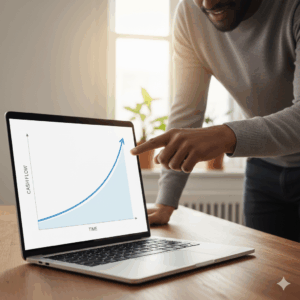
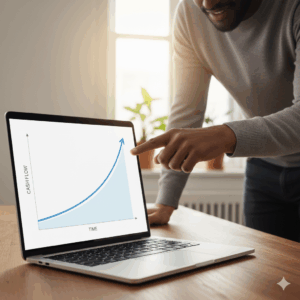
Traditional financial tools are designed to summarize what already happened. They show reports, charts, and totals after the fact. AI-based forecasting flips that model by estimating what your bank balance is likely to look like in the coming weeks.
It works by analyzing patterns in your income, spending habits, recurring bills, and payment timing. Instead of assumptions, it relies on real behavior.
This shift from hindsight to foresight is what makes it so valuable.

How AI Forecasts Your Future Cash Position
AI looks at financial data differently than spreadsheets.
Data That Feeds the Forecast
Modern tools analyze:
Suggested read: Hiring Your First Accountant: What to Look for (And What AI Can Do Instead)
- Bank transactions
- Recurring subscriptions and fixed costs
- Invoices and payment delays
- Payroll schedules
- Seasonal spending patterns
Because this data updates automatically, forecasts adjust whenever something changes.
Learning From Patterns
If clients usually pay late, AI learns that. If expenses spike at certain times of year, the system accounts for it. Over time, predictions become more reliable because the model adapts to real-life behavior.
Why Forecasting Beats Traditional Budgeting
Budgets assume everything goes as planned. Real life rarely does.
A budget tells you what you should spend. Forecasting shows what will happen if nothing changes.
For example:
- You can see when cash might dip below a safe level
- You understand the impact of one delayed payment
- You know whether a purchase today affects payroll later
That context leads to calmer, smarter decisions.
Everyday Money Situations People Relate To
This approach feels powerful because it mirrors common stress points.
“I Have Money Now, But Will I Later?”
Looking only at today’s balance can be misleading. Forecasting helps answer whether today’s spending creates problems next month.
“Why Do Bills Always Catch Me Off Guard?”
Annual renewals, quarterly taxes, and irregular expenses often get forgotten. AI highlights these ahead of time so they stop being surprises.
“Revenue Is Up, So Why Am I Stressed?”
Income timing matters more than totals. Seeing gaps between earning and receiving money explains why cash still feels tight.
Suggested read: Understanding the Link Between Accounting and Business Growth
Who Benefits Most from AI Financial Forecasting
Startups
Early-stage companies use forecasting to:
- Track runway in real time
- Plan hiring without guesswork
- Avoid emergency fundraising
Freelancers
Independent workers benefit by:
- Anticipating slow months
- Timing large expenses better
- Reducing income volatility anxiety
Small Businesses
For small teams, visibility helps:
- Protect payroll
- Plan inventory purchases
- Negotiate payment terms confidently
Cash flow problems remain one of the top reasons businesses fail. Seeing issues early changes outcomes.
How Accuracy Improves Over Time
AI models improve as they observe more behavior.
If your spending habits change, forecasts adjust. If customers start paying faster or slower, predictions shift automatically.
Many tools also allow scenario planning. You can explore what happens if revenue drops, expenses increase, or hiring is delayed.
This turns financial planning into an ongoing process rather than a once-a-year task.
How Zaccheus Works as an AI CFO
Zaccheus is designed to feel like a financial co-pilot.
Instead of static reports, it provides:
Suggested read: The “Agency” Dilemma: Managing Project-Based Finances vs. Recurring Revenue
- Clear visibility into future cash
- Early warnings before problems appear
- Plain-language explanations, not accounting jargon
By connecting directly to your financial data, Zaccheus continuously updates your outlook so you are never guessing where you stand.
Frequently Asked Questions
What does predictive finance actually do?
It estimates future cash positions using AI and real transaction data. Instead of reviewing past activity, it helps you anticipate upcoming financial challenges and opportunities.
Is AI forecasting reliable?
While no prediction is perfect, AI forecasting improves over time and is far more adaptive than manual spreadsheets or static budgets.
Is this only for businesses?
No. Freelancers and solo operators benefit just as much, especially when income is irregular or expenses are unpredictable.
Can it really prevent cash flow issues?
It cannot stop problems entirely, but it gives you time to act before they become serious.
Conclusion
Seeing your financial future changes how you make decisions.
When you understand where your money is headed weeks in advance, stress drops and confidence rises. Predictive finance enables that visibility by turning raw data into forward-looking insight.
Zaccheus helps you move from reacting to planning, using AI to give you clarity before problems appear.
Explore Zaccheus and see your financial future with confidence.
Suggested read: Financial Anxiety: How Automated Books Cure “Sunday Night Panic”