How to Manage Cash Sales, Cash Expenses, and Keep Clean Records
Cash can feel simple. No payment processors, no delays, no fees. But cash is also where many businesses quietly lose …


Cash can feel simple. No payment processors, no delays, no fees.
But cash is also where many businesses quietly lose control. Receipts go missing. Expenses get forgotten. Records stop matching reality. And suddenly, what felt convenient becomes risky.
Dealing with cash responsibly is not about avoiding it. It is about managing it properly. This guide shows you how to manage cash sales, cash expenses, and still keep clean records, without stress or guesswork.
Why Cash Needs Special Attention
Cash is different from digital payments for one reason.
It leaves no automatic trail.
Card payments, bank transfers, and invoices generate records by default. Cash requires discipline. Without structure, small gaps add up and create serious problems over time.
Poor cash handling can lead to:
-
Inaccurate financial reports
-
Tax issues
-
Lost income
-
Trust problems with partners or accountants
Clean cash management protects your business and your credibility.
Suggested read: The Hidden Drain: 5 Ways Nigerian SMEs Lose Cash Without Noticing
A Short Story: Where Cash Went Missing
Lena ran a small café that did steady foot traffic. Most customers paid in cash, especially during busy mornings.
At the end of each week, her numbers never quite lined up. A few naira here. A few there. Nothing dramatic, but enough to feel uneasy.
When she finally tracked every cash sale and expense for a full week, the issue became clear. Small unrecorded cash expenses were eating away at her margins. Supplies, quick purchases, and refunds that never made it into the books.
Nothing dishonest. Just unmanaged cash.
Once she fixed her system, her profit jumped without selling a single extra coffee.

How to Manage Cash Sales Correctly
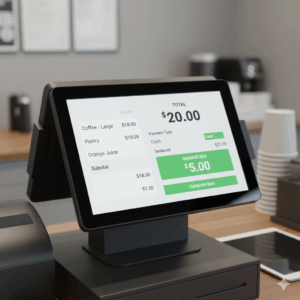
Record Every Cash Sale Immediately
Every cash sale must be recorded at the moment it happens.
Best practices include:
-
Using a point-of-sale system that supports cash entries
-
Writing sales in a daily cash sales log
-
Issuing receipts, even for small amounts
Delaying entries leads to forgotten transactions and inaccurate totals.
Suggested read: Expense Cutting 2.0: Identifying “Zombie Subscriptions” Eating Your Reserves
Separate Cash Sales From Other Payments
Cash should never be lumped together with card or online payments.
Track:
-
Cash sales
-
Card sales
-
Transfers
Separating them makes reconciliation easier and errors obvious.
How to Manage Cash Expenses Without Losing Track
Never Spend Cash Without Documentation
Every cash expense needs proof.
Suggested read: The “Agency” Dilemma: Managing Project-Based Finances vs. Recurring Revenue
Acceptable records include:
-
Receipts
-
Written expense notes with date and purpose
-
Petty cash vouchers
If there is no record, the expense effectively does not exist in your books.
Use a Petty Cash System
Petty cash is a small, controlled cash fund for minor expenses.
Rules for clean petty cash management:
-
Set a fixed starting amount
-
Record every expense immediately
-
Reconcile regularly
-
Refill only after review
Petty cash should never feel casual.
Suggested read: Business vs. Pleasure: The Danger of Commingling Funds
Keeping Clean Cash Records
Daily Cash Reconciliation
At the end of each day:
-
Count physical cash
-
Compare it to recorded sales
-
Investigate differences immediately
Waiting weeks makes errors harder to fix.
Keep Business and Personal Cash Separate
Mixing personal and business cash is one of the fastest ways to destroy clean records.
Always:
-
Use separate storage
-
Withdraw personal cash intentionally and record it
-
Avoid borrowing from business cash
Separation creates clarity and accountability.
Suggested read: Grant Opportunities: Preparing Your Financials for Federal & State Grants
Common Cash Management Mistakes to Avoid
-
Not recording small transactions
-
Spending cash without receipts
-
Skipping reconciliation
-
Treating cash as informal money
-
Mixing personal and business funds
These mistakes are common, but they are also preventable.
How Financial Tools Help With Cash Control
Modern financial tools make cash management easier by creating structure.
Suggested read: Vendor Negotiations: How to Demand Better Payment Terms in a Tight Economy
With the right system, you can:
-
Spot inconsistencies early
-
Understand how cash impacts profitability
Tools like Zaccheus help business owners see how cash sales and expenses affect overall financial health, not just daily balances. This visibility makes cleaner records easier to maintain consistently.
Best Practices Summary
To manage cash sales and expenses cleanly:
-
Record everything immediately
-
Keep receipts and documentation
-
Reconcile daily or weekly
-
Review records regularly
Cash does not have to be risky if it is handled intentionally.
Suggested read: Budgeting for Startups: How to Plan Monthly Costs When Business Is Unpredictable
Conclusion
Cash does not become a problem because businesses accept it. It becomes a problem when it is not managed intentionally.
By recording cash sales immediately, documenting every cash expense, and reconciling regularly, you protect your business from errors, confusion, and unnecessary risk. Clean cash records are not just about compliance. They give you a clearer understanding of how your business actually performs day to day.
When cash is handled properly, it stops being a source of stress and starts becoming a reliable part of your financial system.

Call to Action
If you want to manage cash sales and expenses with confidence instead of guesswork, you need clear visibility into your numbers.
Sign up with Zaccheus to track your finances accurately, understand how cash affects your profitability, and keep your records clean as your business grows.
Sign up with Zaccheus today and take control of your business finances.
Frequently Asked Questions (FAQ)
Is it okay to accept cash payments in a business?
Yes, accepting cash payments is legal and common. The key requirement is accurate record-keeping. All cash sales must be recorded and reported properly for accounting and tax purposes.
How do you record cash expenses without receipts?
If a receipt is unavailable, create a written record that includes the date, amount, purpose, and who made the purchase. However, receipts are always preferred for clean records and tax compliance.
Suggested read: Sustainable Financing in Nigeria: How Businesses Can Benefit
How often should cash be reconciled?
Cash should ideally be reconciled daily. For low-volume businesses, weekly reconciliation may be acceptable. The more frequently you reconcile, the easier it is to catch errors early.
What is petty cash and how does it work?
Petty cash is a small amount of physical cash kept for minor expenses. It works best with a fixed balance, recorded transactions, and regular reconciliation to maintain control and transparency.
Can cash sales cause tax problems?
Yes, if they are not recorded properly. Unreported cash sales can lead to penalties, audits, and legal issues. Clean records protect the business and simplify tax reporting.